Most calvings start at night
The first hours of a difficult calving decide the outcome. With nobody watching, both calf and cow are at risk.
Round-the-clock watch
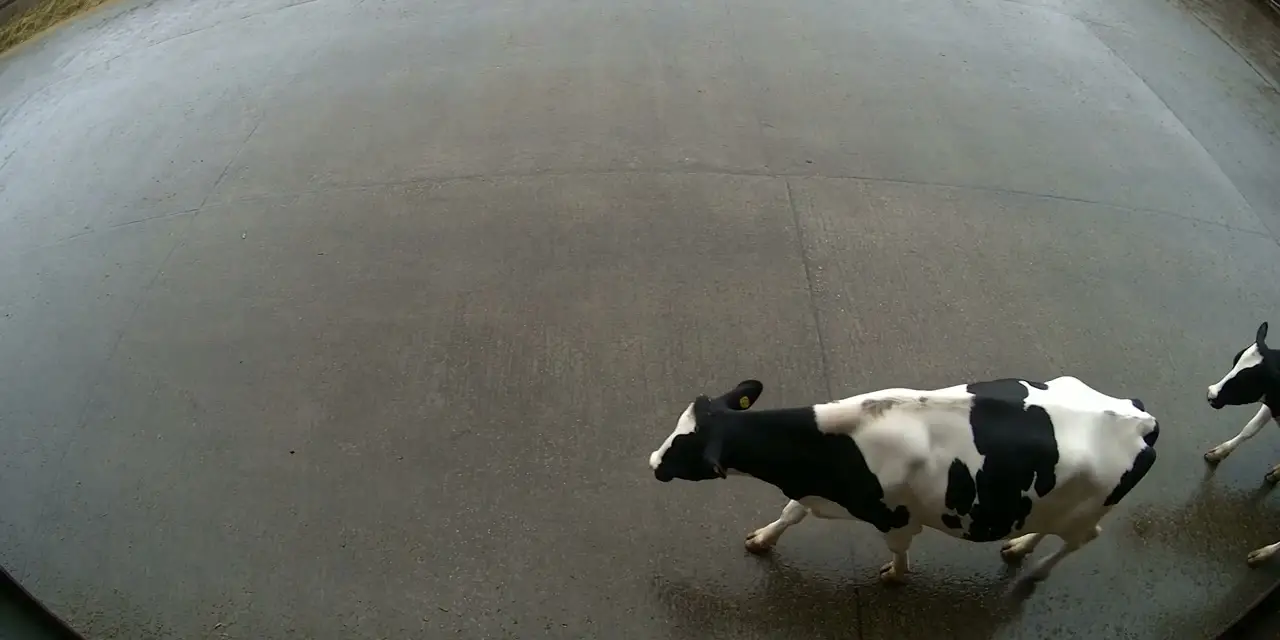
SENSOR-FREE HERD MONITORING
Nothing attached to the animal — cameras only. Calving, lameness and body condition score, tracked automatically around the clock.
More than 7,000 animals monitored
Institutions that back and fund us
THE PROBLEM
A cow is observed for only a few minutes a day. Calving starts at night, lameness shows weeks later, and condition scoring varies from person to person.
The first hours of a difficult calving decide the outcome. With nobody watching, both calf and cow are at risk.
Round-the-clock watch
Gait deterioration begins weeks earlier, but the human eye only catches it once obvious — by which point milk yield and fertility have already dropped.
Weeks earlier
Manual body condition scoring is subjective and cannot be applied to the whole herd regularly, so the data is never comparable.
At every milking
HOW IT WORKS
Setup takes a day. Nothing is attached to the animal and the barn layout stays as it is.

Cameras are mounted at the critical points of the farm. No collar, tag or sensor goes on the animal.

Models trained on data from our own farms continuously analyse movement and behaviour.
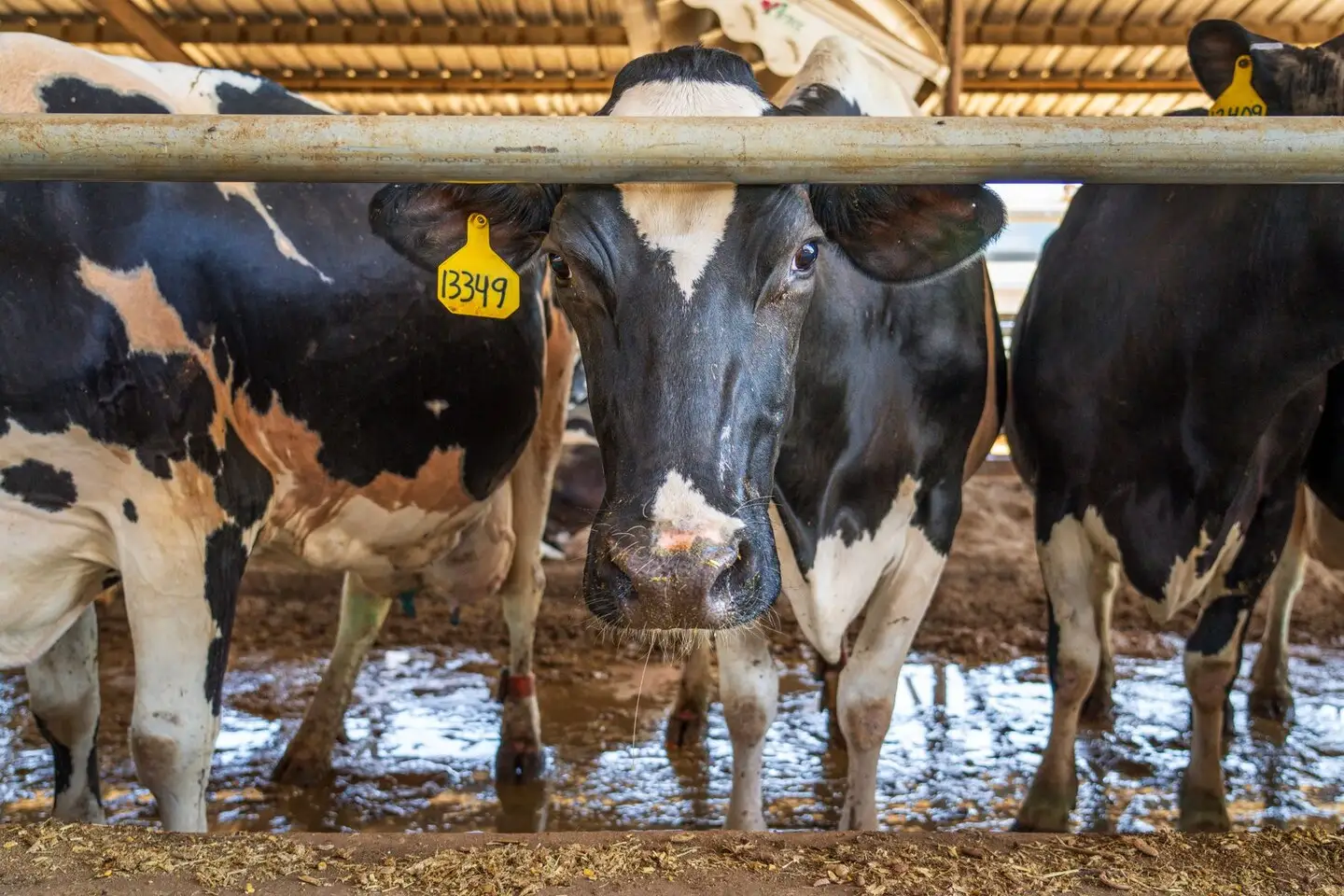
Calving signs, lameness grade and body condition score are computed automatically; any animal past your threshold is flagged.
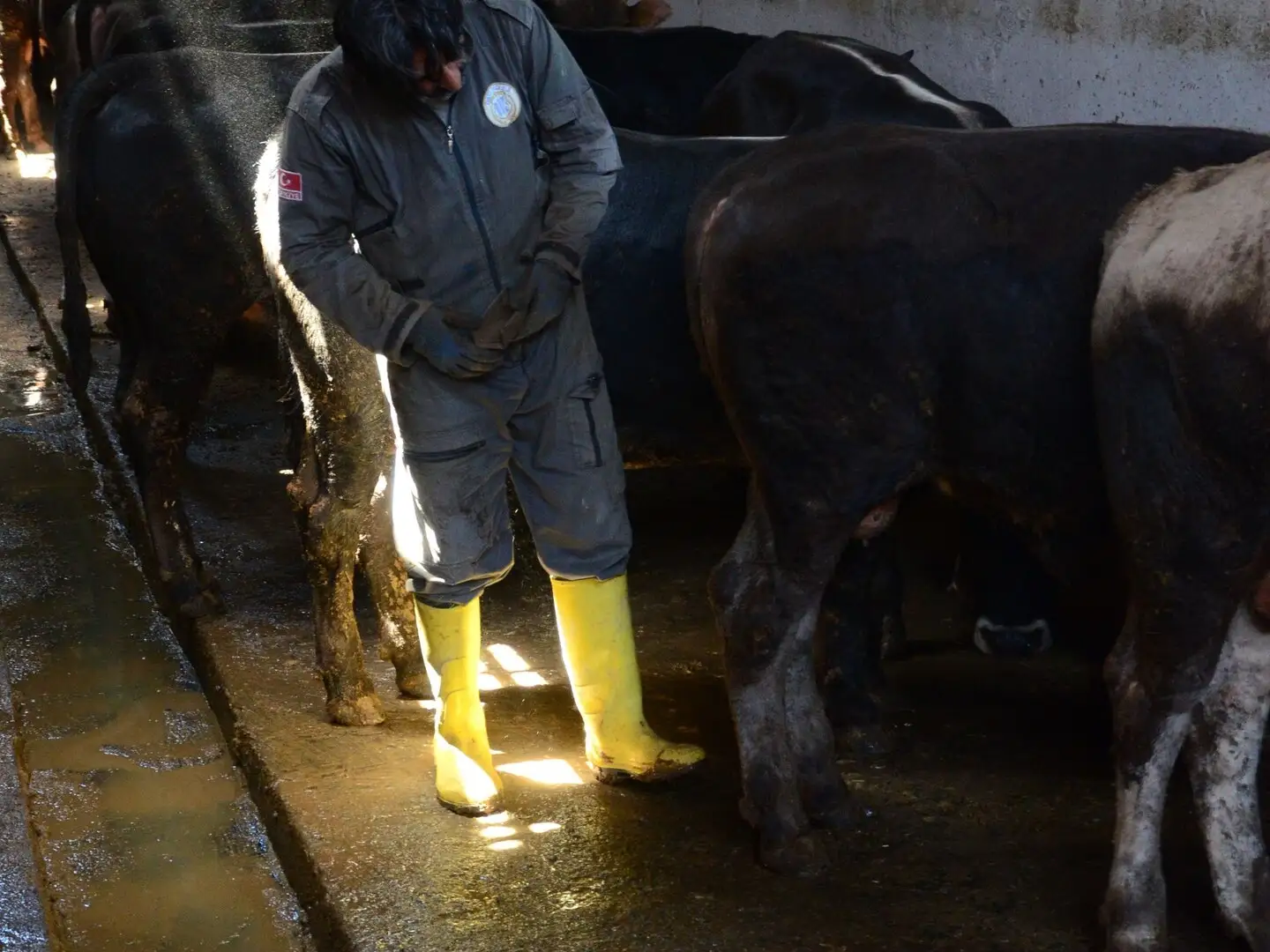
The daily list on the dashboard, urgent cases on your phone. You decide how to intervene — the system just makes sure you know in time.
DASHBOARD
Daily score per animal, an alert list and trend charts. The same view on your phone.

FROM THE FIELD
The system was not built in a laboratory but in working barns. The models were trained on the daily passages of more than nine thousand dairy cows across five partner farms, and the scores were corrected against the field assessments of over twenty-two veterinarians. That is what it takes for the system to know what it is seeing under real barn conditions — dust, mud, changing light and crowded passages.
Tekno Sürüm · engineering team
WHY TEKNO SÜRÜM
No collars, pedometers or boluses. No sensors to buy, batteries to change or devices to lose.
Nights, weekends, shift changes — the system evaluates every pass with the same attention.
When calving starts or an animal crosses your threshold, a notification reaches your phone.
Historical records and footage are retained, so you can trace an animal’s trend back over months.
The models were developed with more than 22 veterinarians across a herd base of over 9,000 dairy cows.
Importing comparable technology raises the cost markedly. Support is in Turkish and in your own time zone.
Works alongside your existing herd management system. You do not have to change how you already work.
COST
Growing the herd does not add cameras. That is the core difference from solutions that need a device on every animal once you pass 500 cows.
One camera covers the same parlour exit whether you milk 200 cows or 600. Growing the herd does not grow the hardware bill.
No battery changes, no lost collars, no three-year replacement cycle in the budget. Nothing is attached to the animal, so nothing needs replacing.
We agree how many passage points to monitor, and the quote is built on that. The figure in the calculator is gross gain and does not include the subscription.
FREQUENTLY ASKED
Cost depends on how many passage points are monitored, not how many animals you have. The same parlour exit is covered by one camera whether you milk 200 or 600 cows, so growing the herd does not add cameras. The exact figure is worked out together from your farm plan.
No. No collars, ear-tag sensors, pedometers or boluses. The system works from camera footage alone — which also means no batteries to change, no lost devices and no replacement line in the budget.
Mounting the cameras and commissioning usually takes a single day. No change to your barn layout is required.
Video is processed on the device in the barn; only the resulting scores and alerts travel to the cloud, so a high-speed line is not required. If connectivity drops, records are held locally and sync once the link is back.
The system is installed to watch animals, not people. A worker can still enter the frame, so during installation the camera angles are narrowed to the animal passages, and the farm must inform its staff as required by data-protection law. The installation team walks you through this.
Setup and training are on us. Let us measure the return together.
